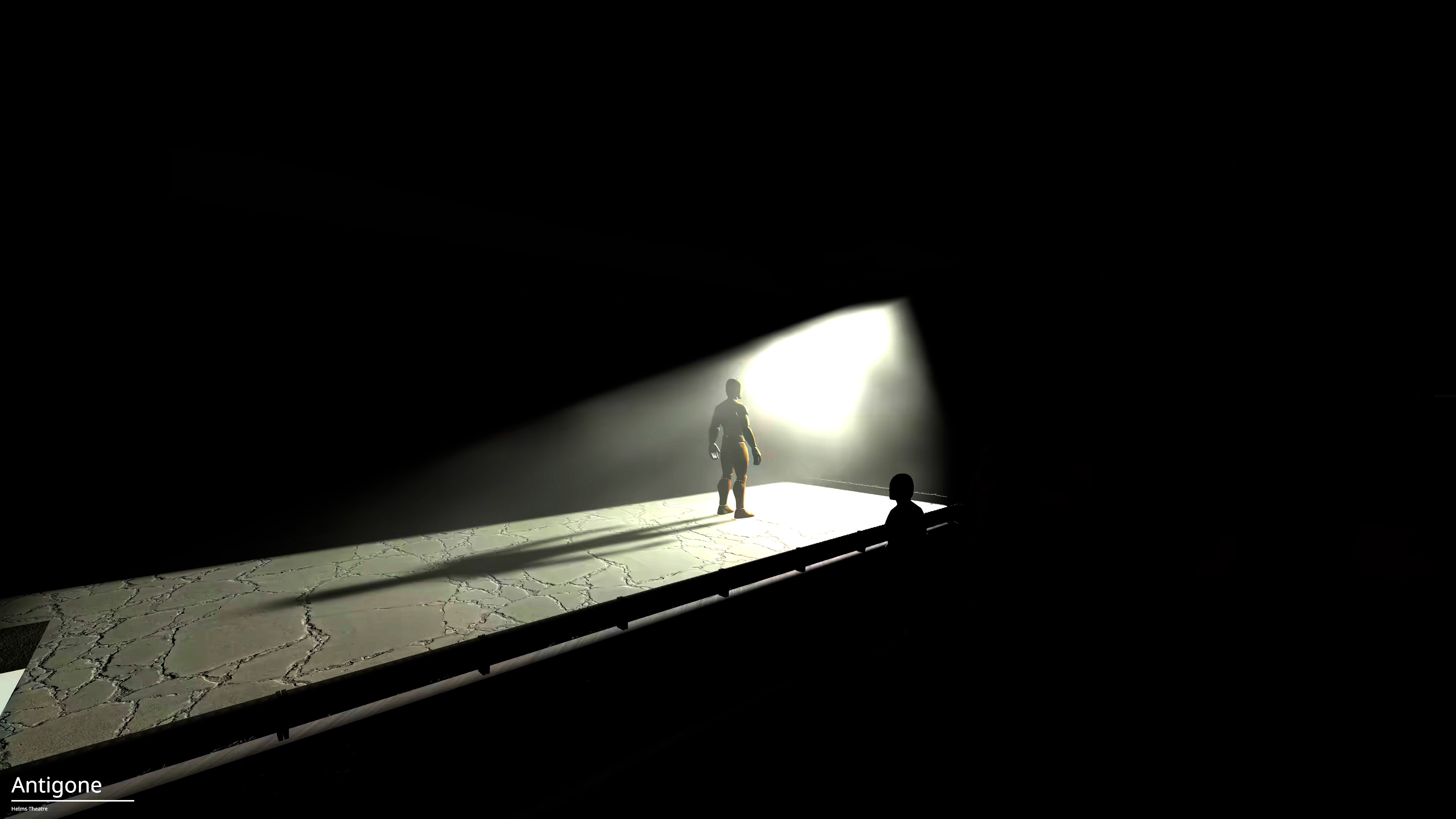
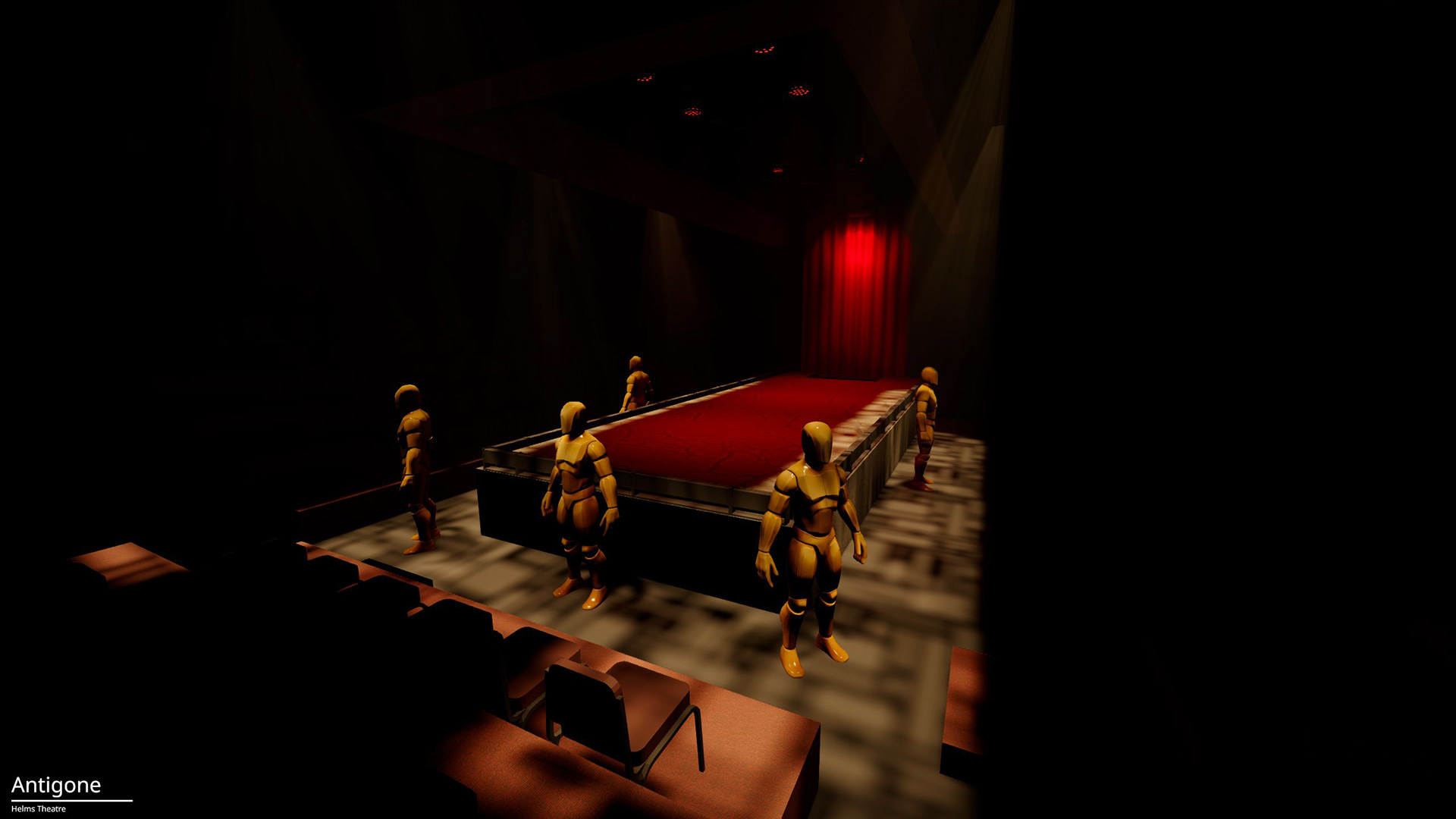
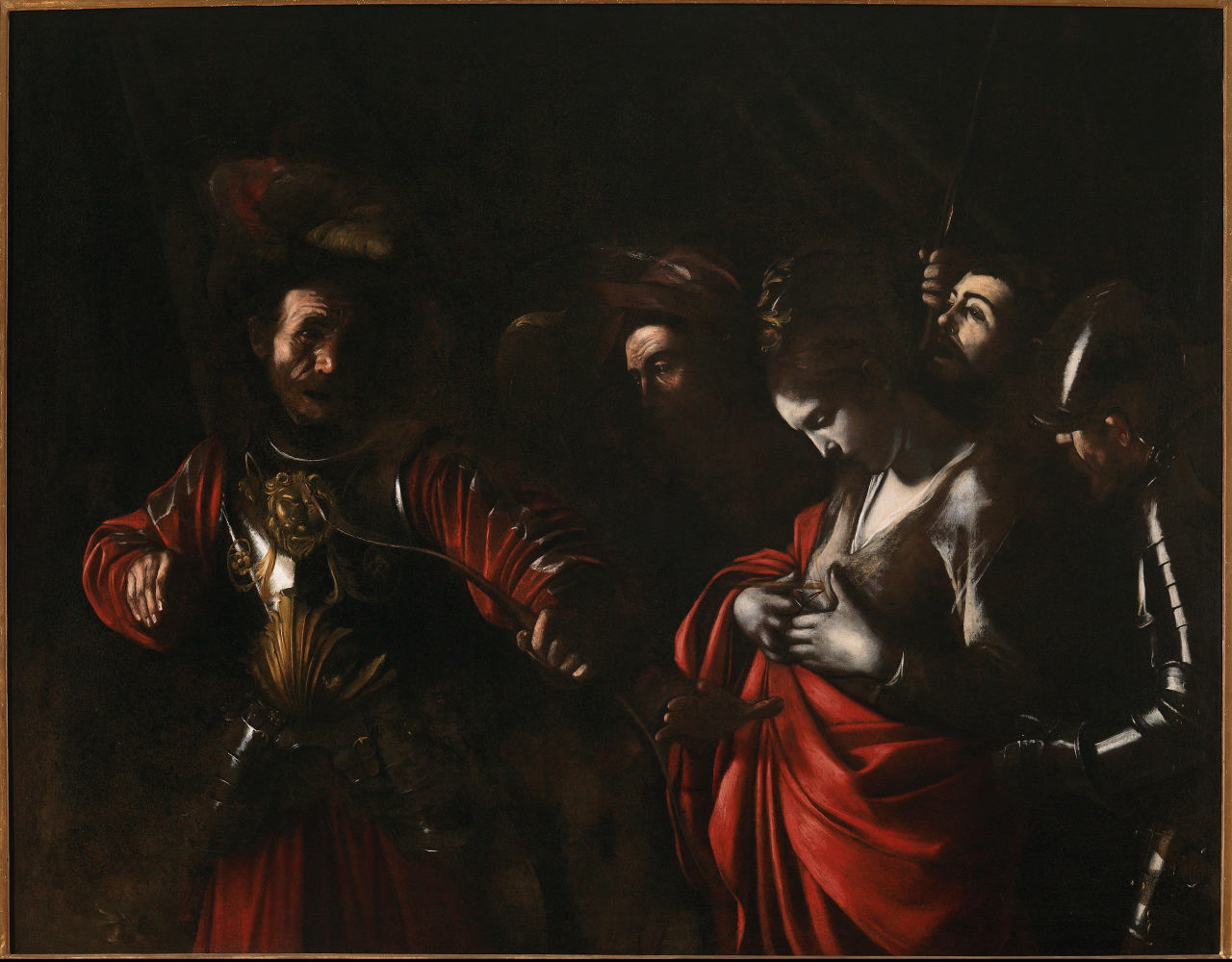
The below is written design treatment of Sophocles' Antigone for my independent lighting study under Professor Kennedy. The assignment challenged me to choose an abstract artist to base the design off of. This lead me down a rabbit hole of exploring classical artwork such as Goya and Caravaggio before finding and sticking with Rothko as my primary visual source.
I read (or rather listened to) the Fagels translation of Antigone. My interpretation of Thebes is not one of triumph, but one of bitter victory. I find it difficult not to draw parallels between Creon and the current leader of America and the seeming lack of clarity or reason when making policy decisions. The resulting environment then becomes a modern political criticism set either in ancient, pre-modern times, or a darker characterization of modern or post-modern times, one that reveals the cracks and failures more clearly, no longer masked by propaganda and the facade of success.
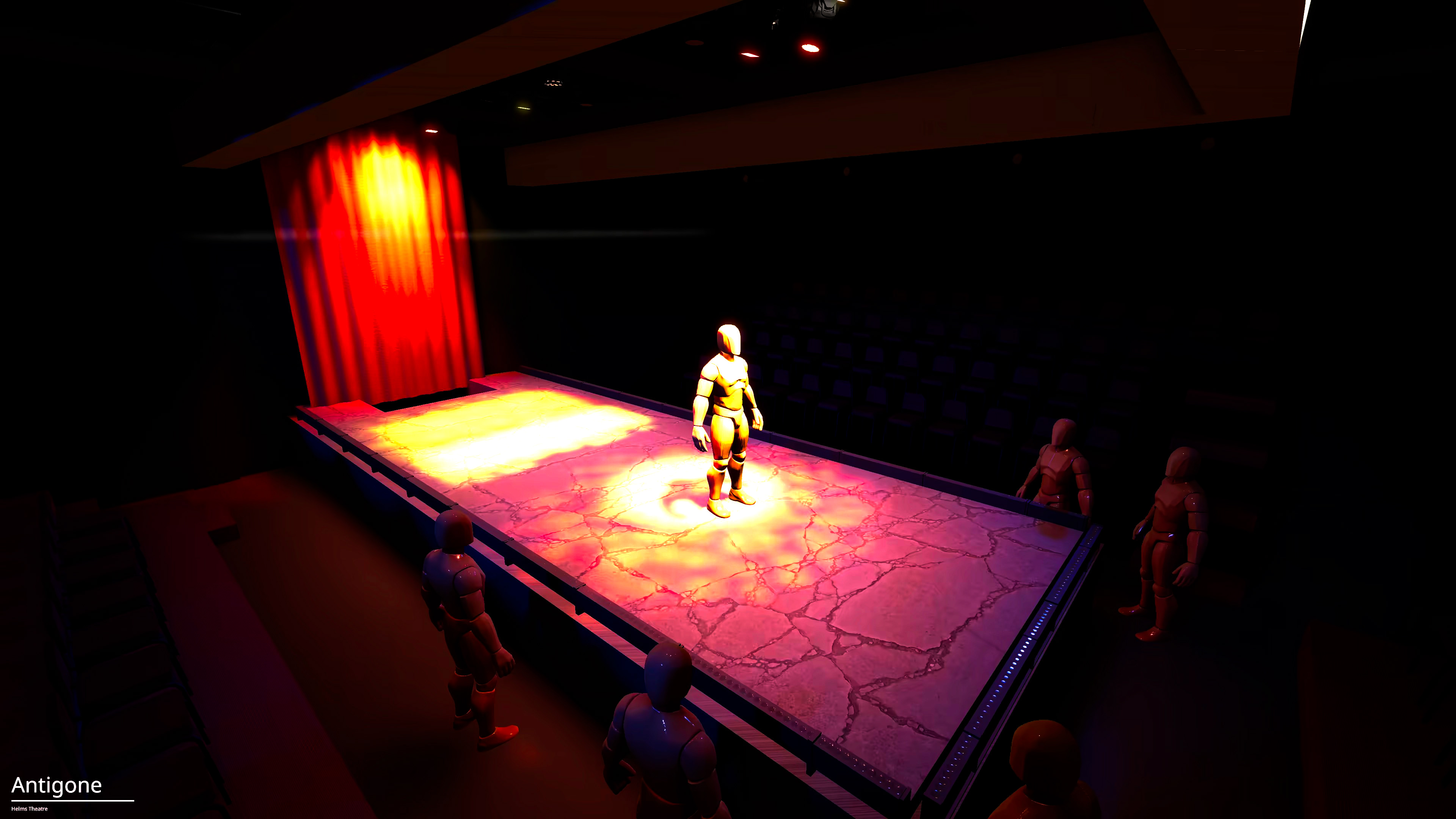
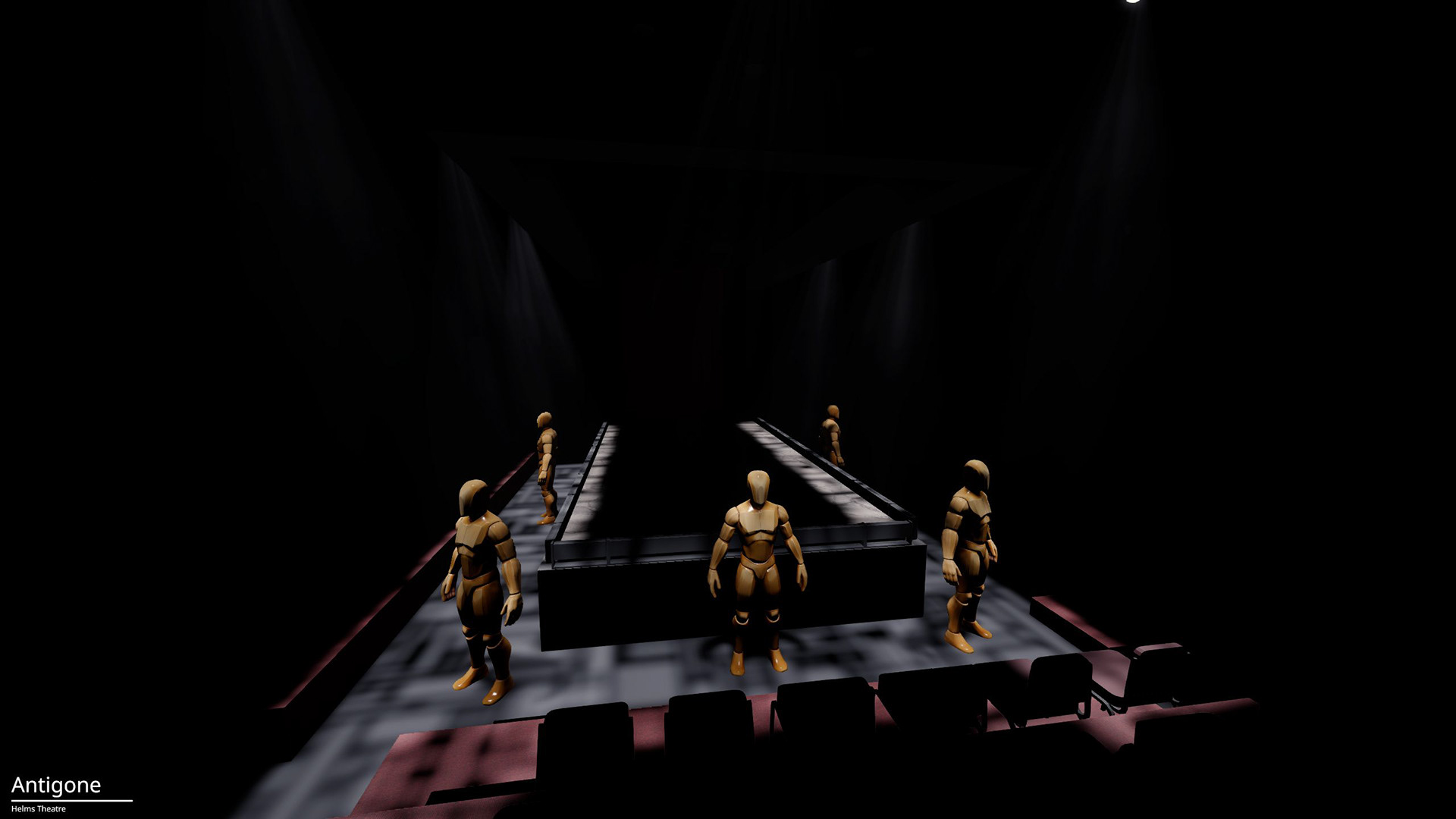
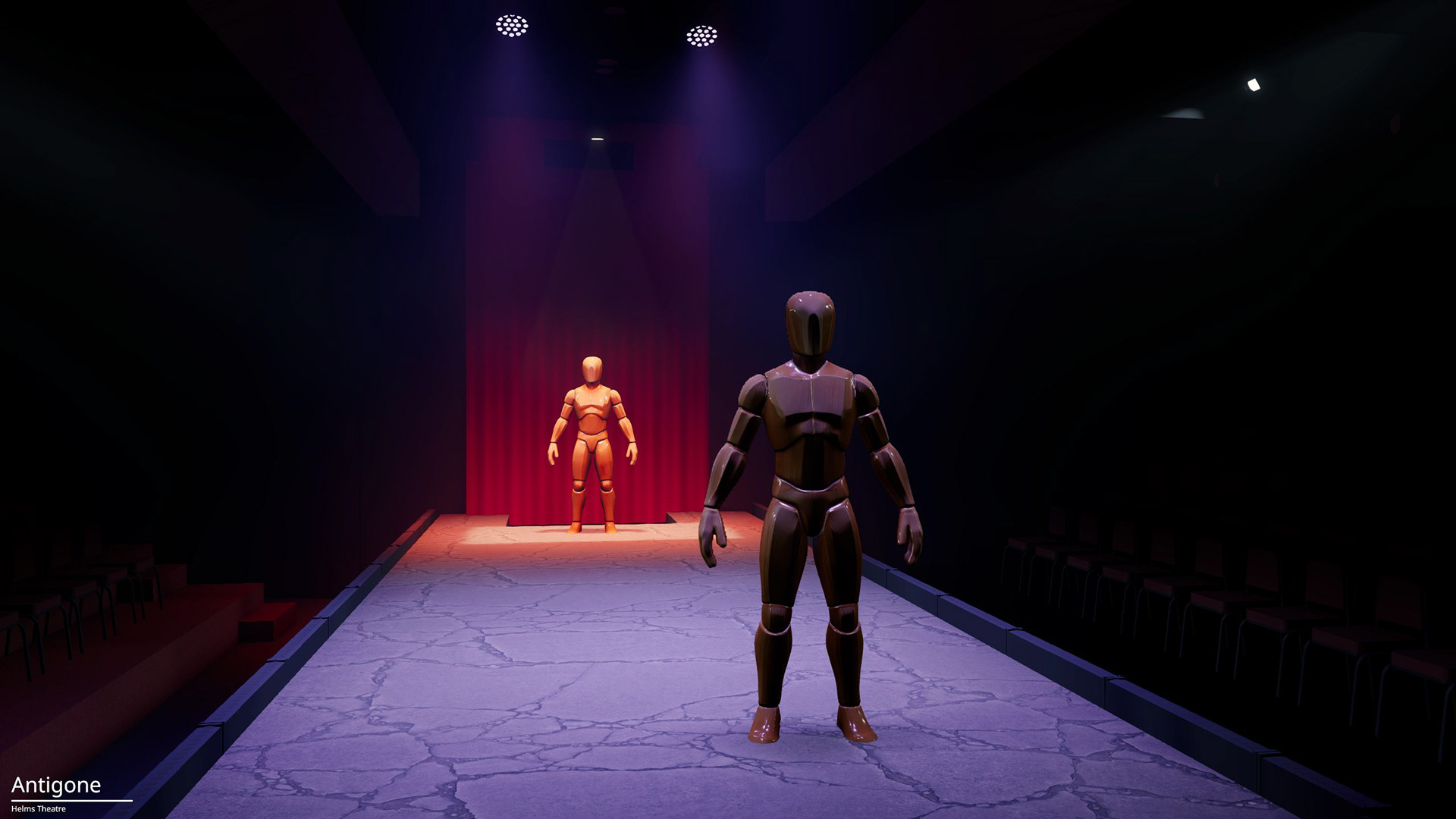
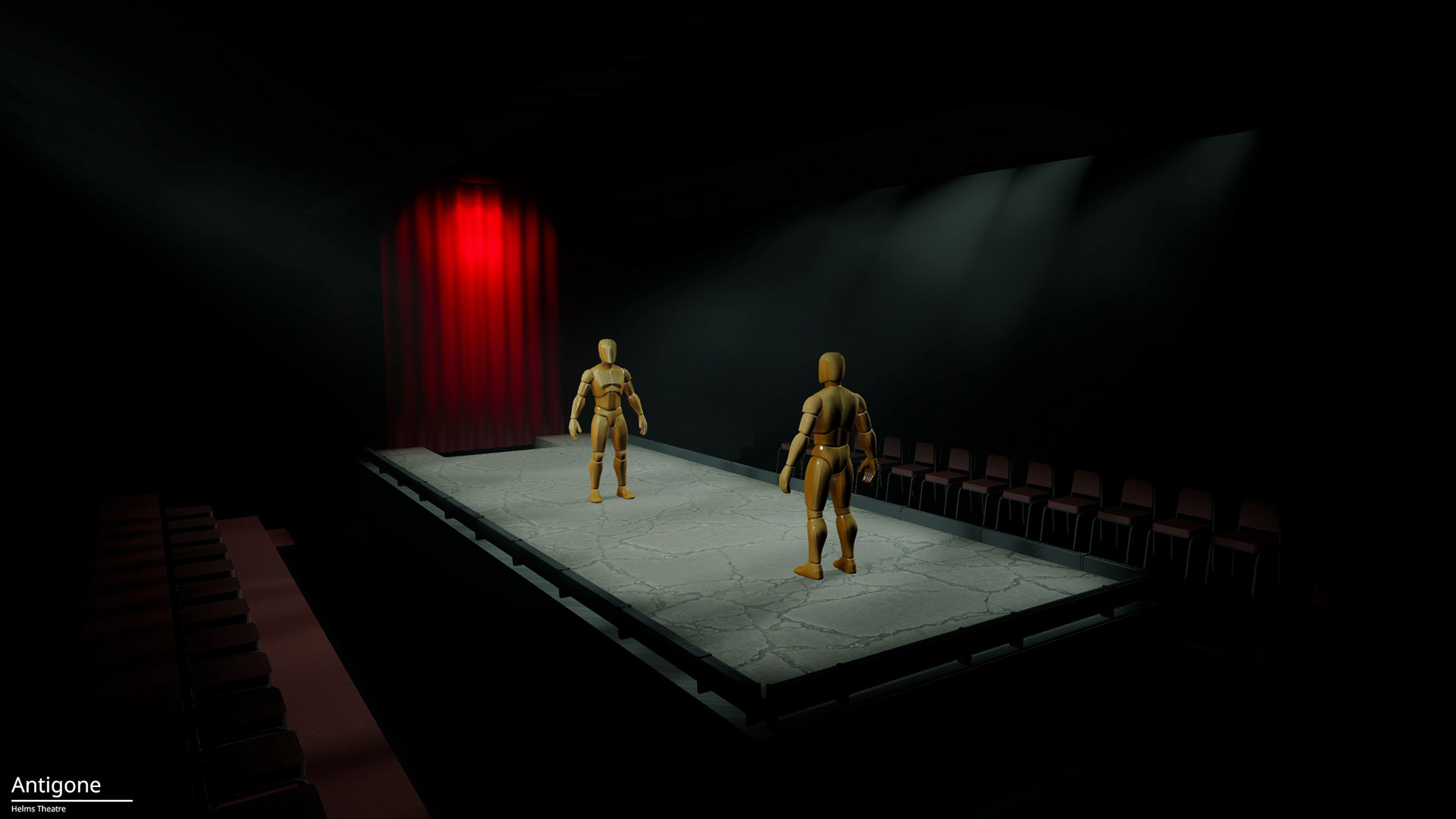
Regardless, I imagine the lighting to expose their poisoned world devoid of reason, using sharply angled side light and texture to reflect the tragedy and emotion in the story, from Antigone’s initial anguish in the first scene, to Haemon’s fiery revolt, to Ismene’s failed sacrifice, and later the revelation of the death that Creon has brought upon Thebes and himself due to his own intransigence.
I imagine the lights to change at the pace of the story, with the lights opening slowly to reveal the barren landscape of battered Thebes, but cutting quickly as characters barrel in and out of what I imagine to be some central location representing both inside and outside the palace, such as when the Sentry rushes in and out, first with news, and later with Antigone herself. The dynamics of lights changing would reflect this pacing, elevating the tension and tempo of the unfolding drama.
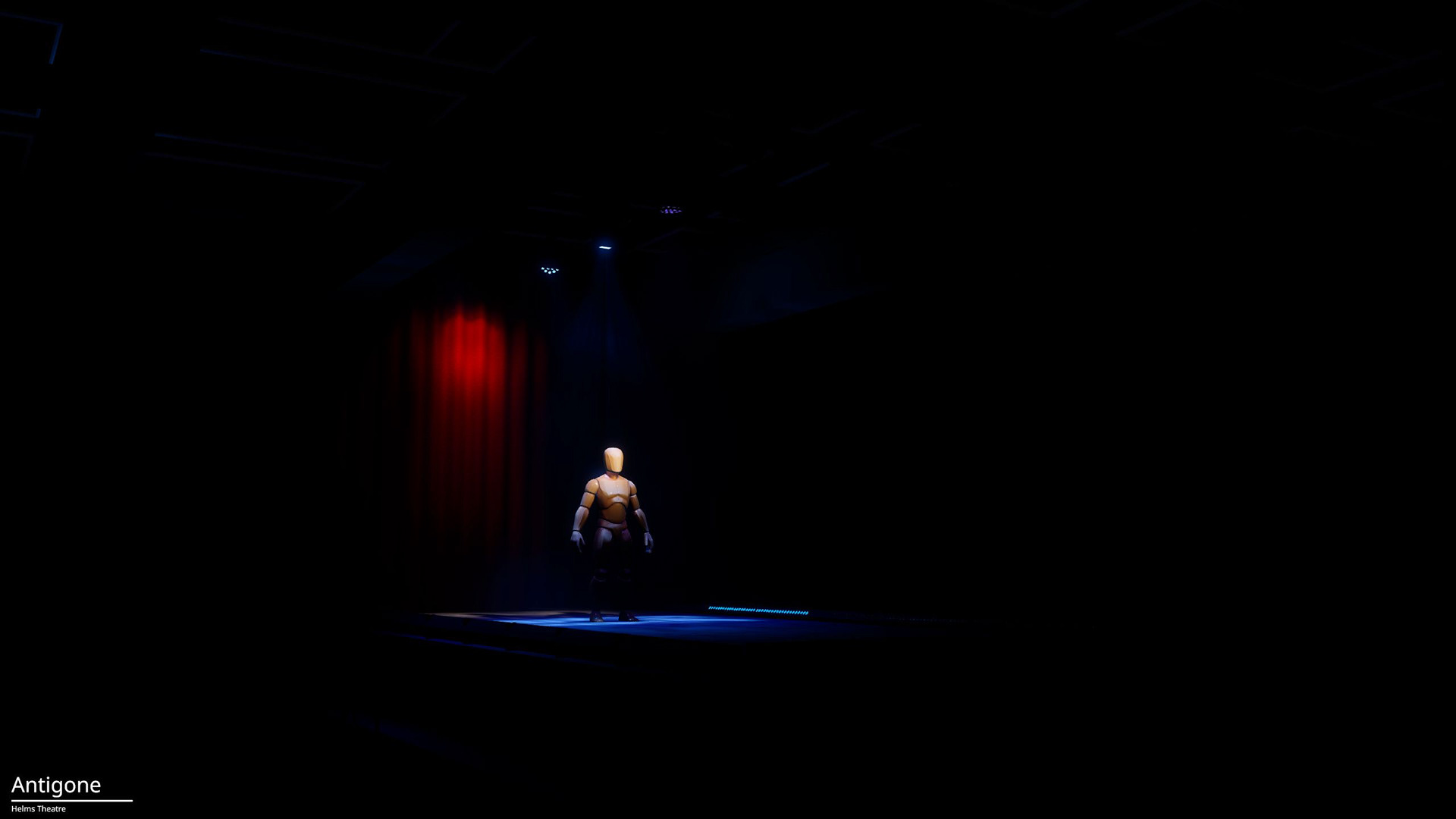
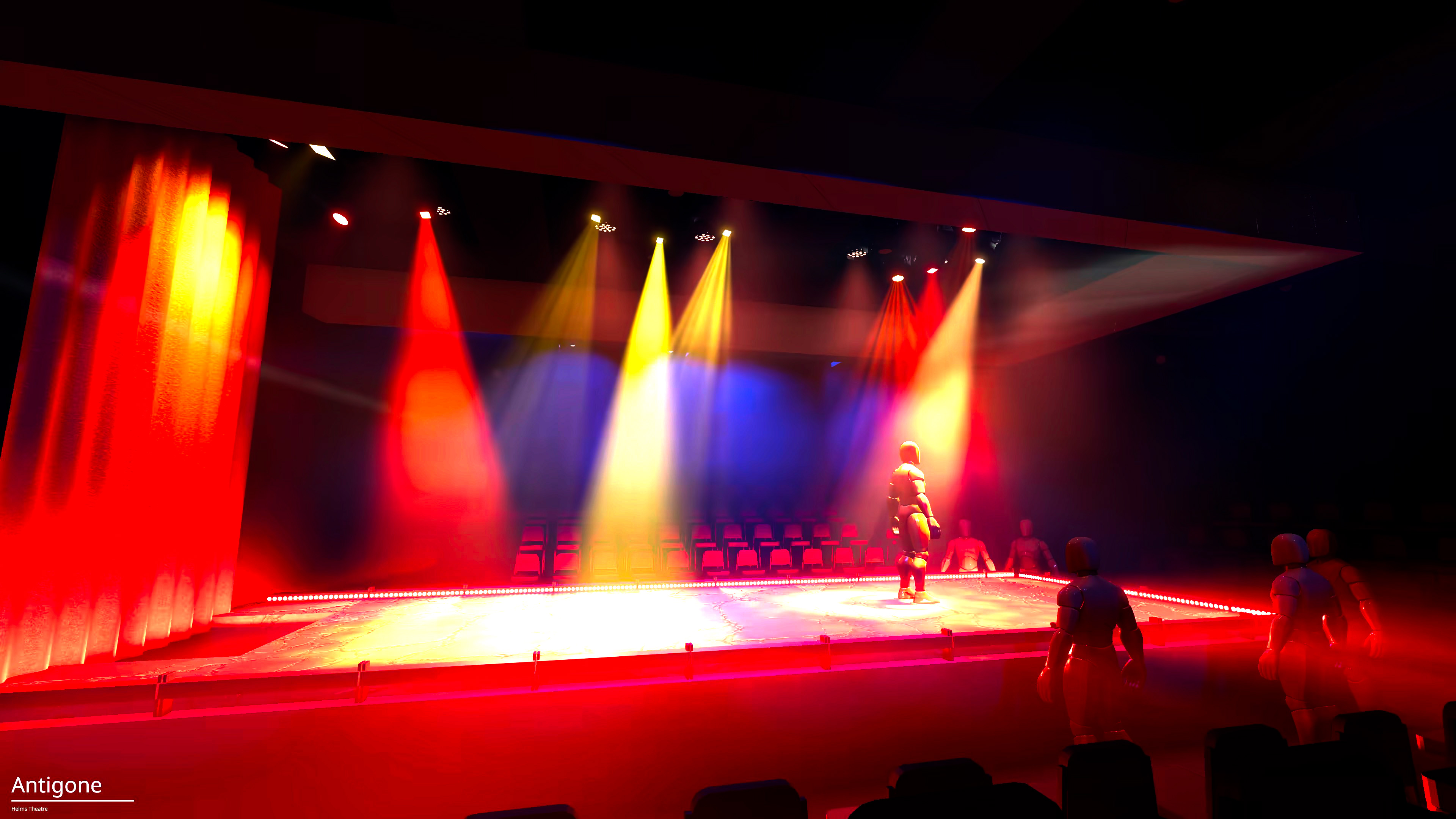
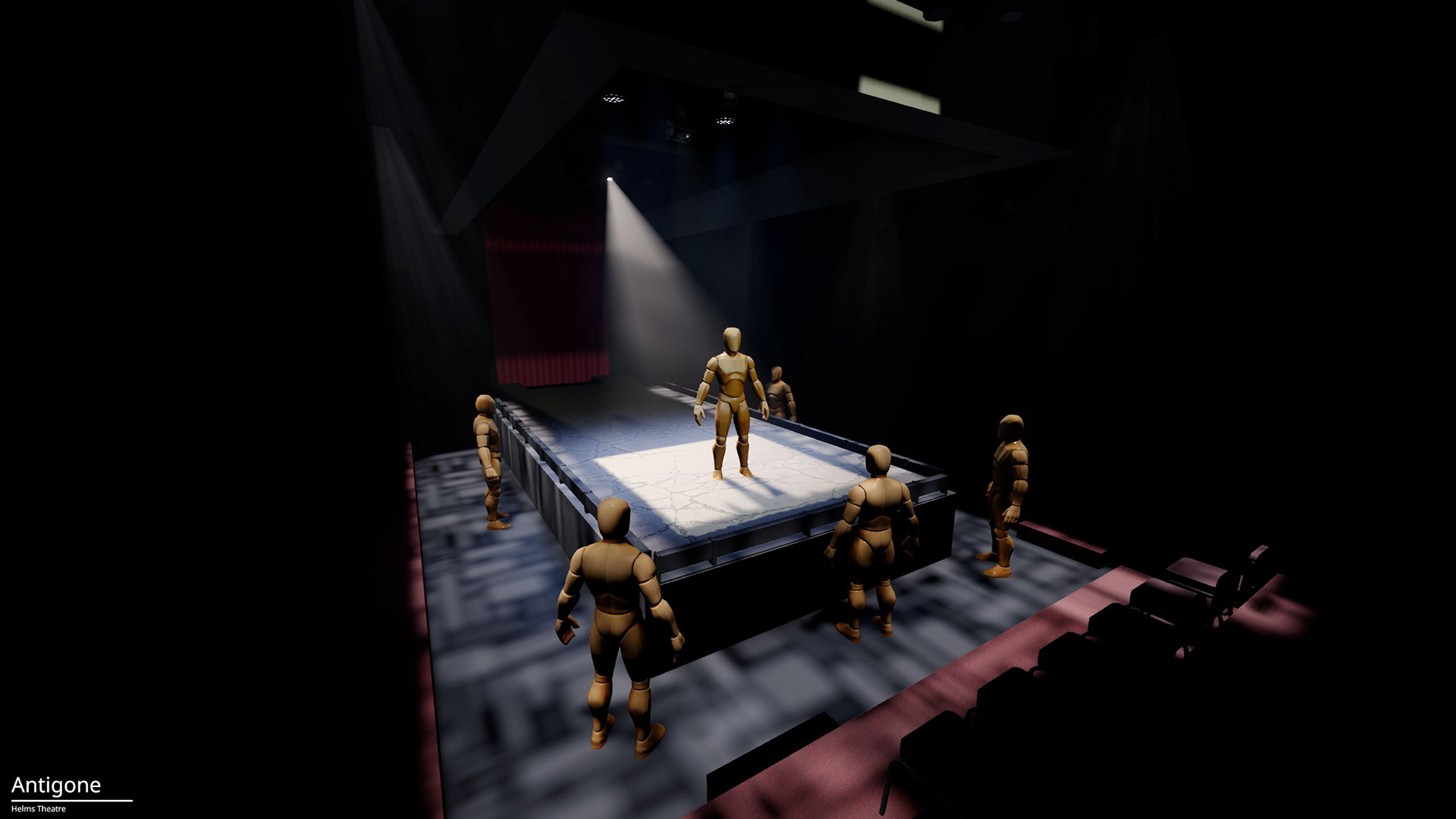
I imagine the quality of light to be sharp, biting, and exposing; cutting white, even cool white, carving out the inhabitants of Thebes. This might be contrasted by a warmer, beating sun that does the exposing. The key differences to separate interior and exterior will be intensity, color tonality and shape. For instance, the first several scenes will take outside the palace. The lights here will start mellow, yet striking; highly directional. We should set the tone of the play and the dilemma that will soon follow. As we move further from the palace, bold light will be overcome with texture and more striking color as the world starts to crumble, climaxing with the reveal of the play’s most tragic moment. I want the lights to ebb and flow from bold to melancholic, reflecting the tone of each scene. The comedic banter when the sentry delays the telling of what he saw should be underscored with tension and thus lit brighter perhaps then when Ismene offers her own life to die for Antigone.
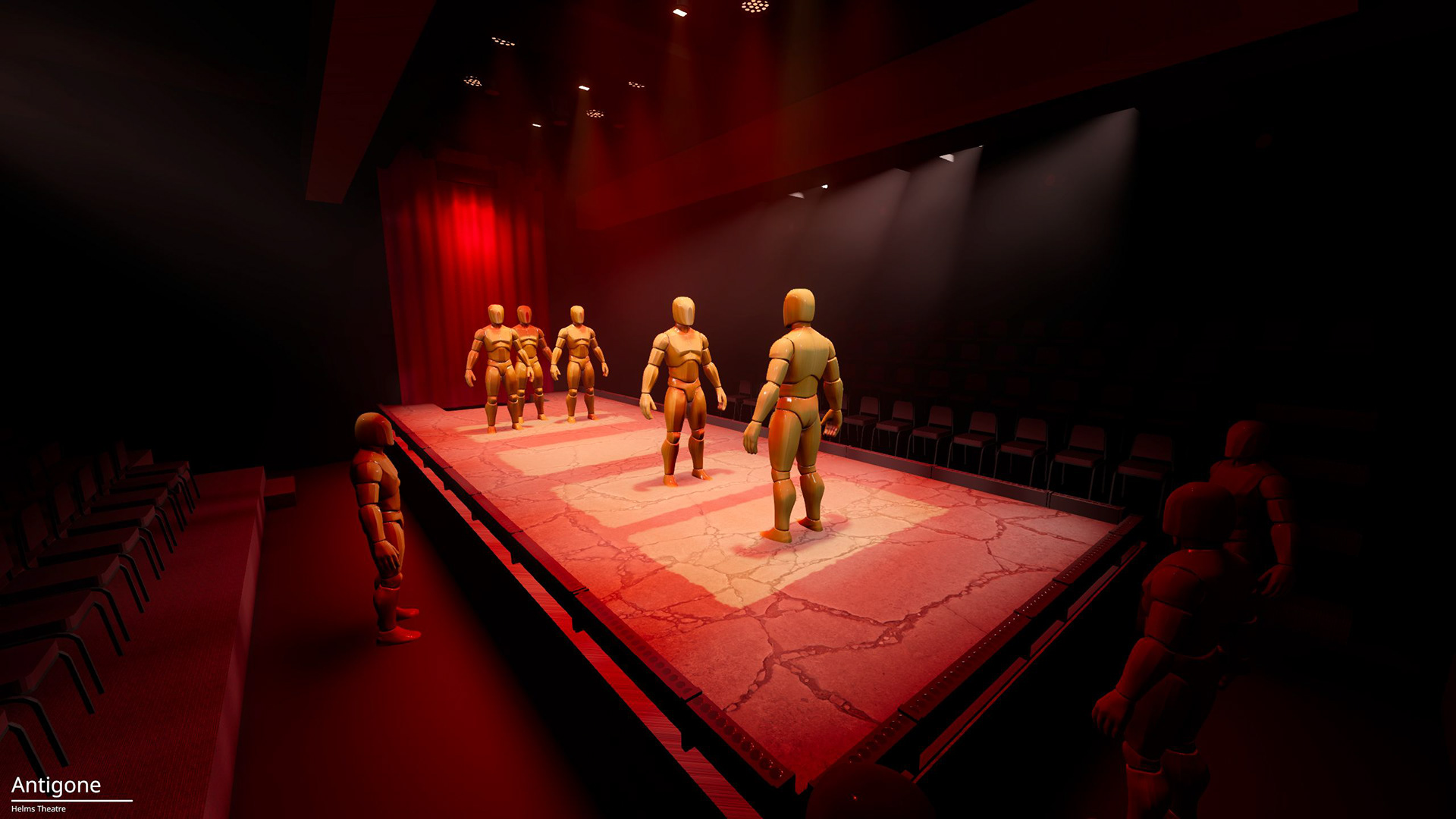
The only color in the show should be bold and intentional. White light, whether cool or hot, should be the driving force through the show, and only when emotion passed a certain threshold should color be revealed. I imagine a certain color is chosen to represent Antigone’s will and courage, and another for Creon’s rage and hubris. Characters like Ismene and Haemon may borrow from these colors, but should be complementary and accent the central characters whose conflict the story follows.
Rothko-Inspired Gobo

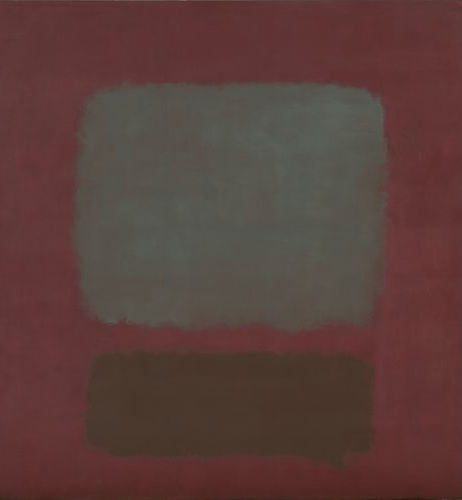
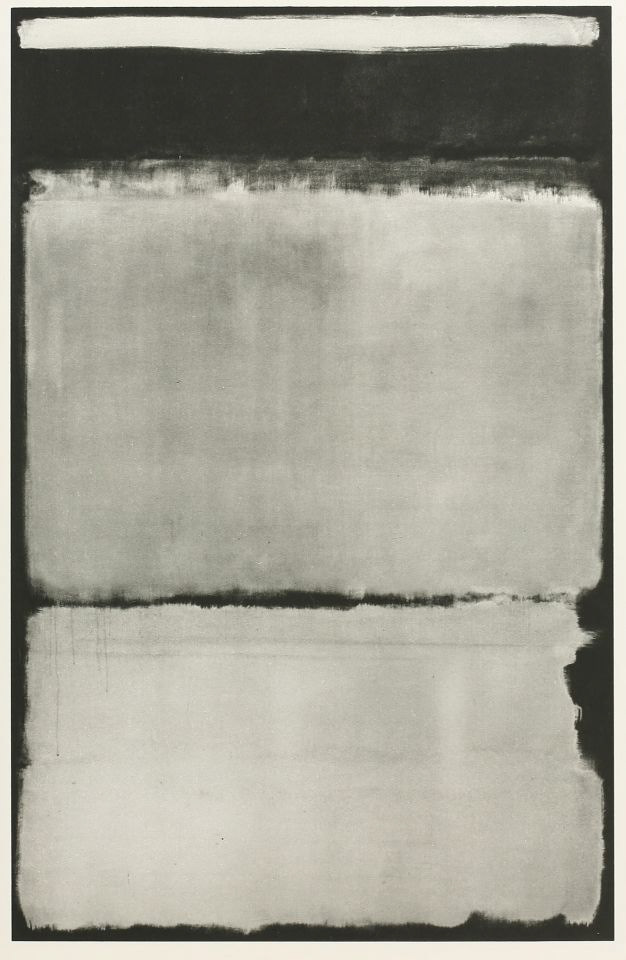
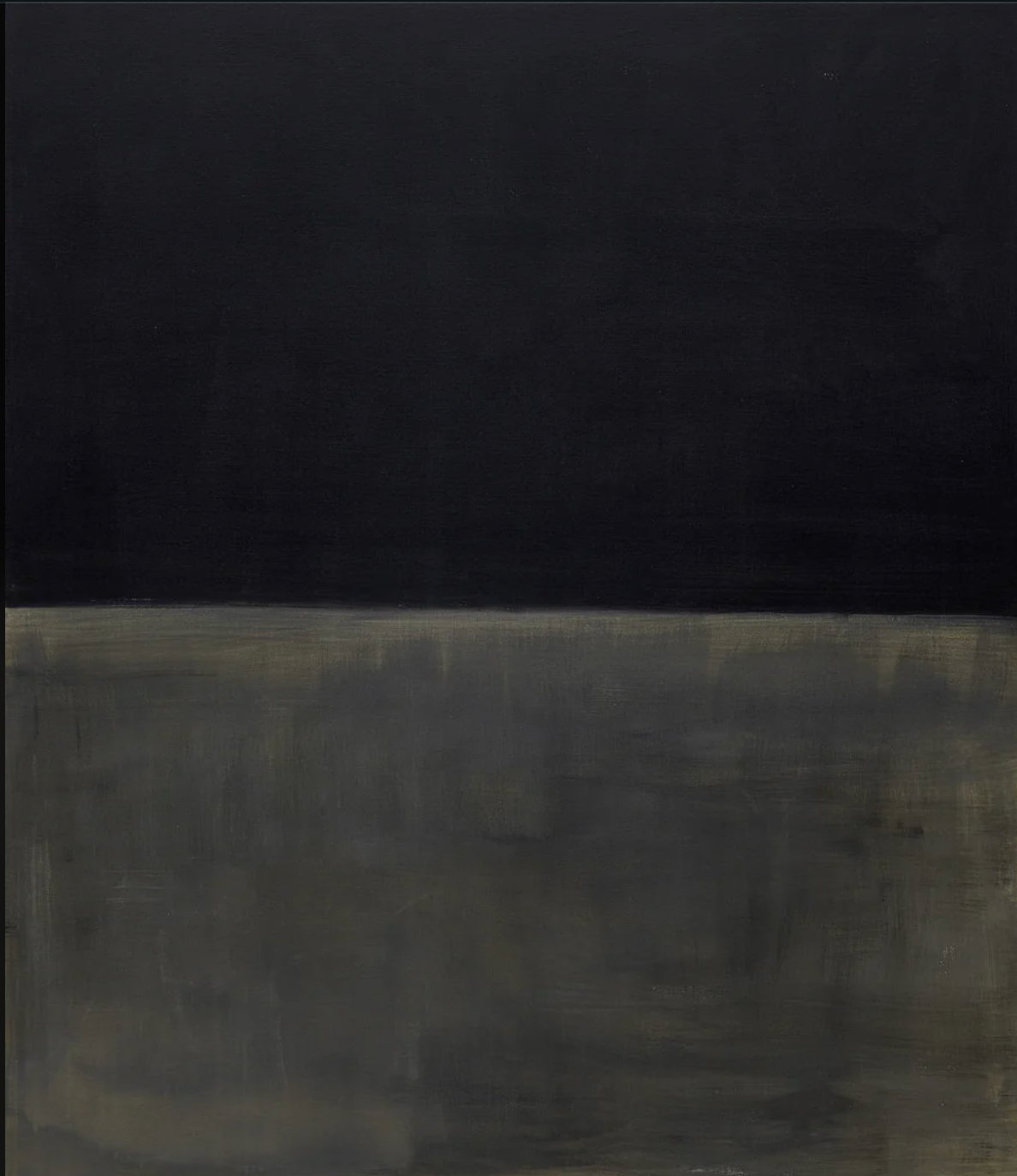
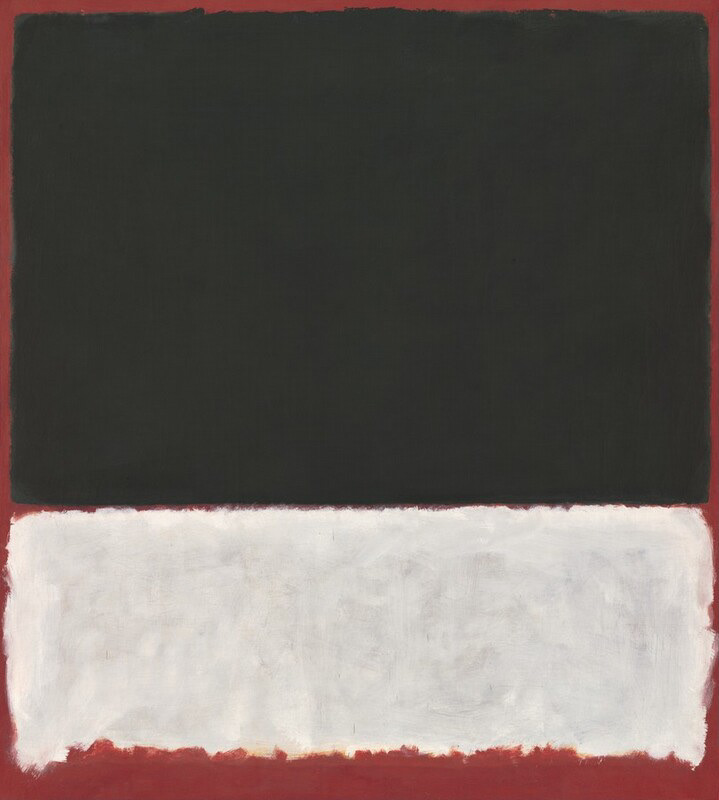
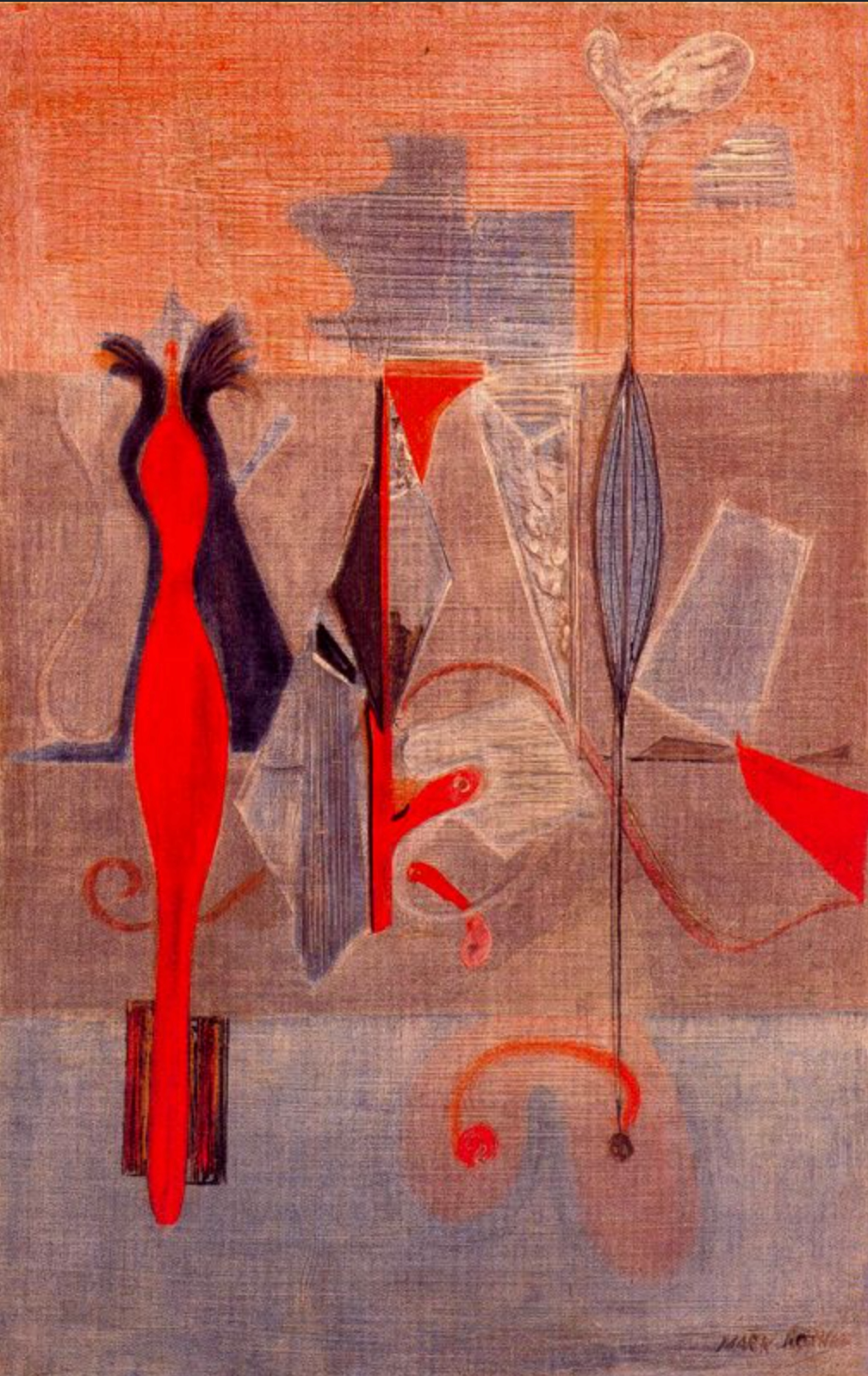
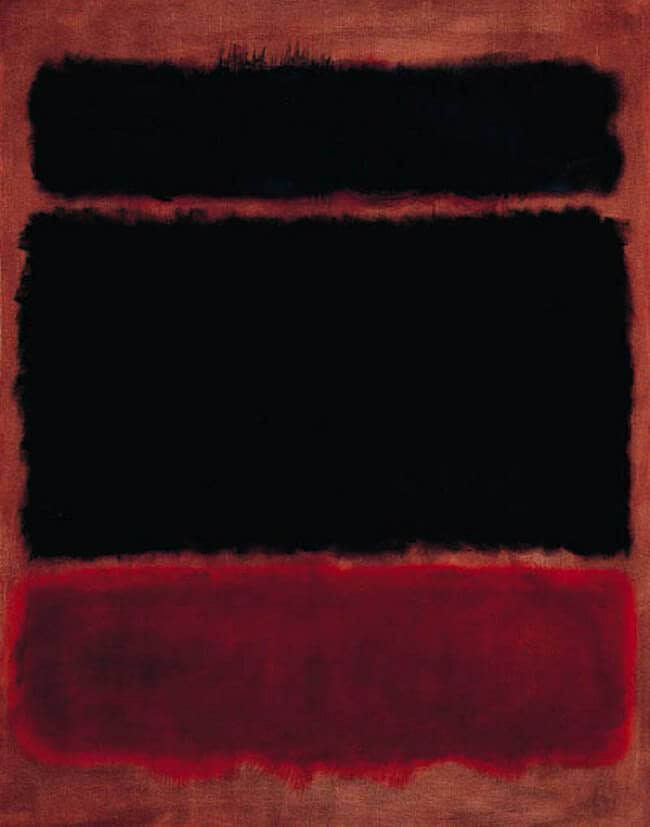
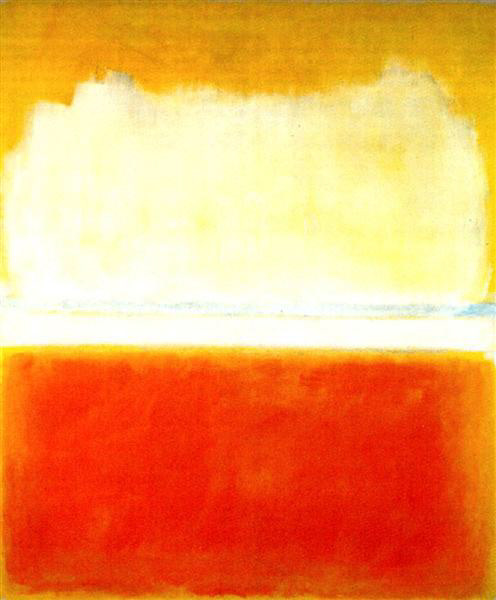
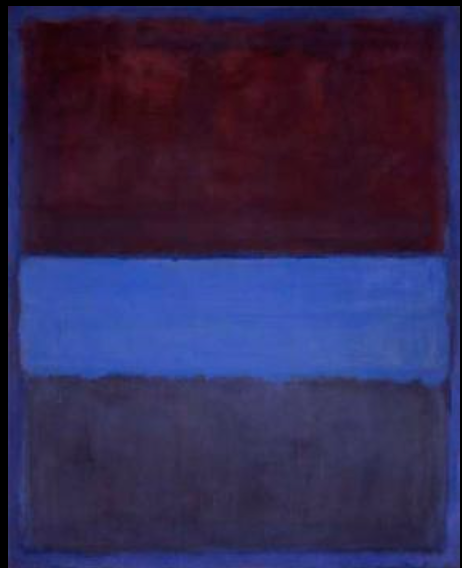
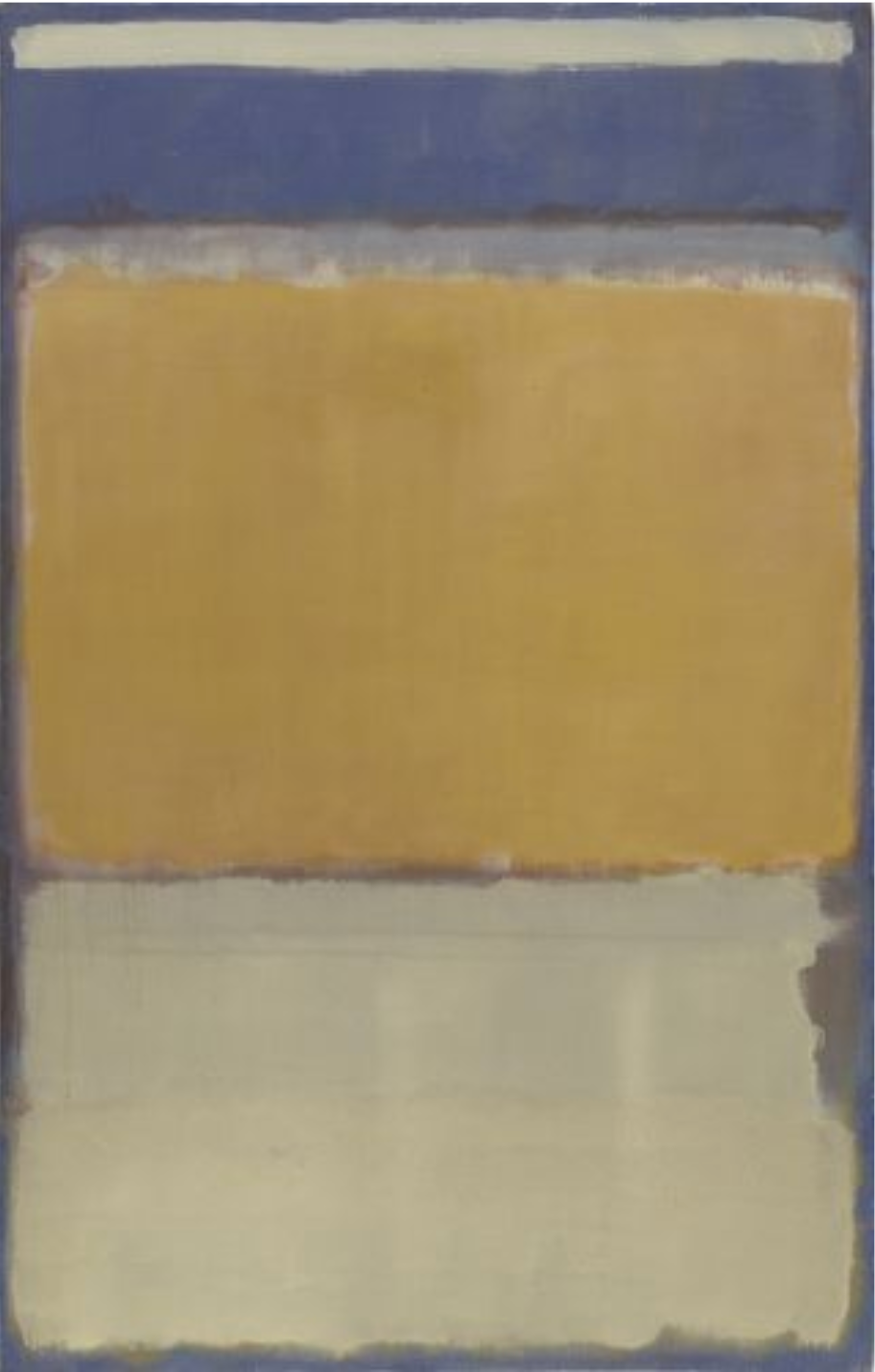
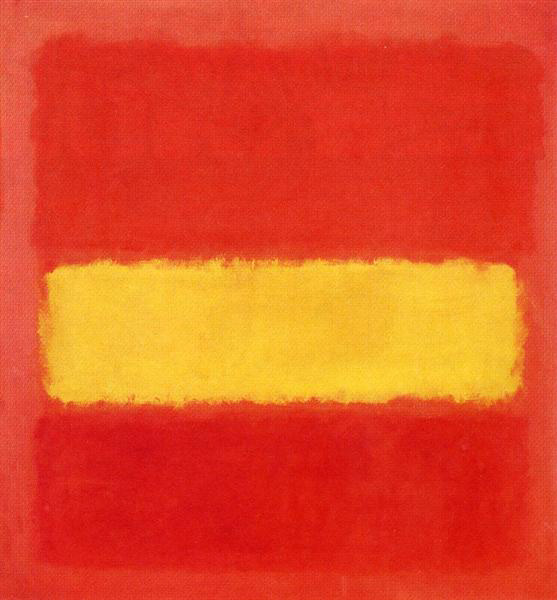
Rothko Research
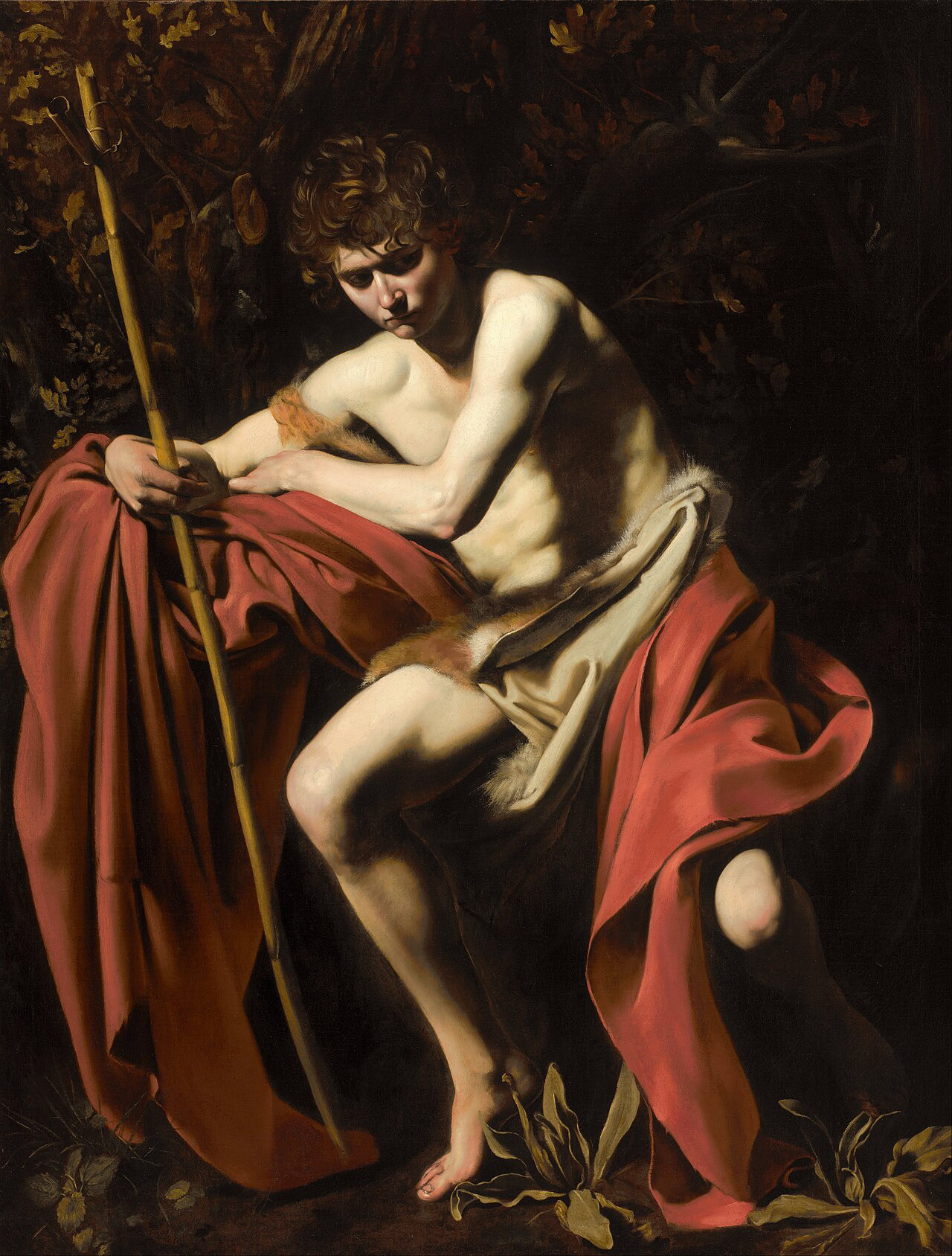
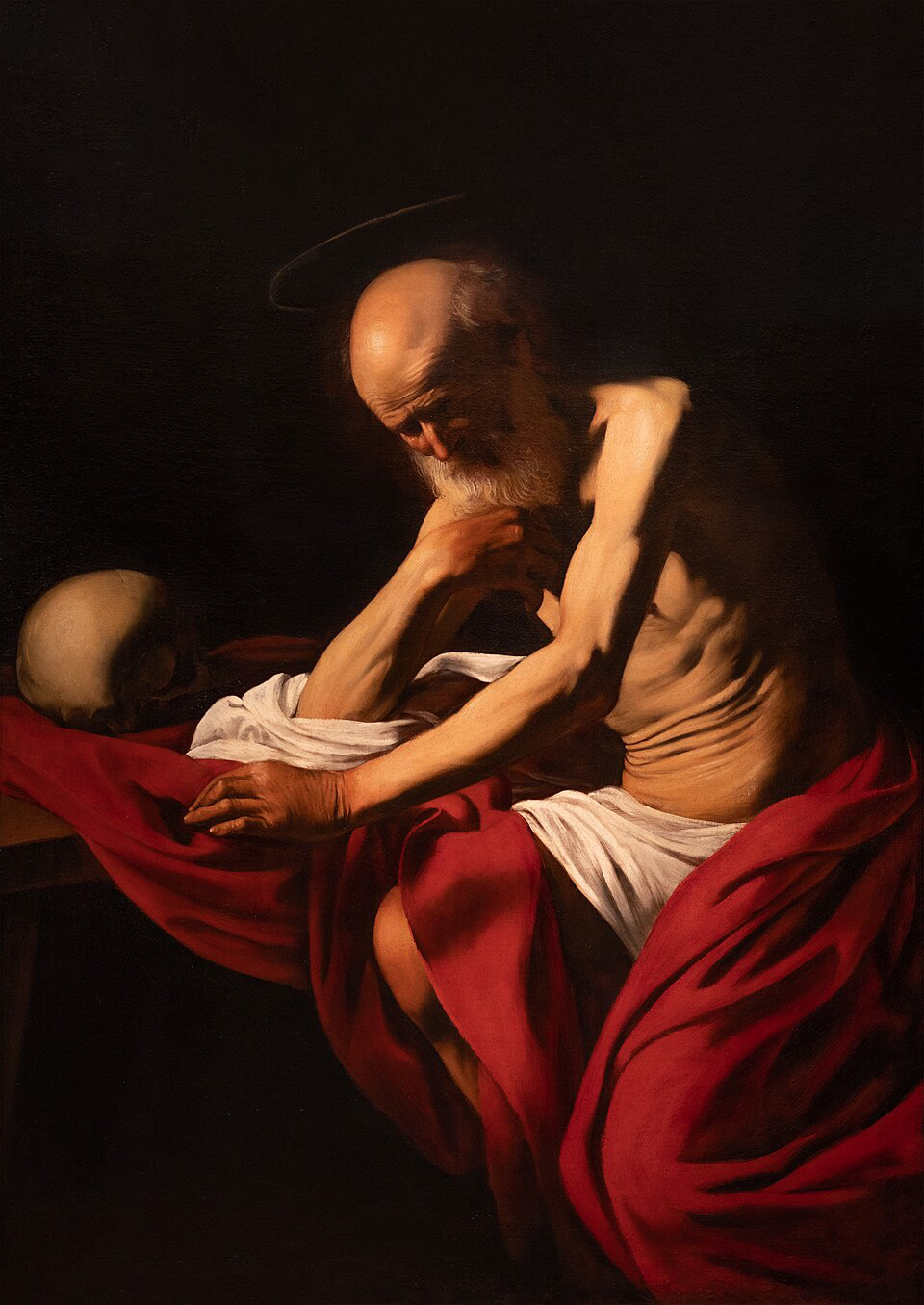
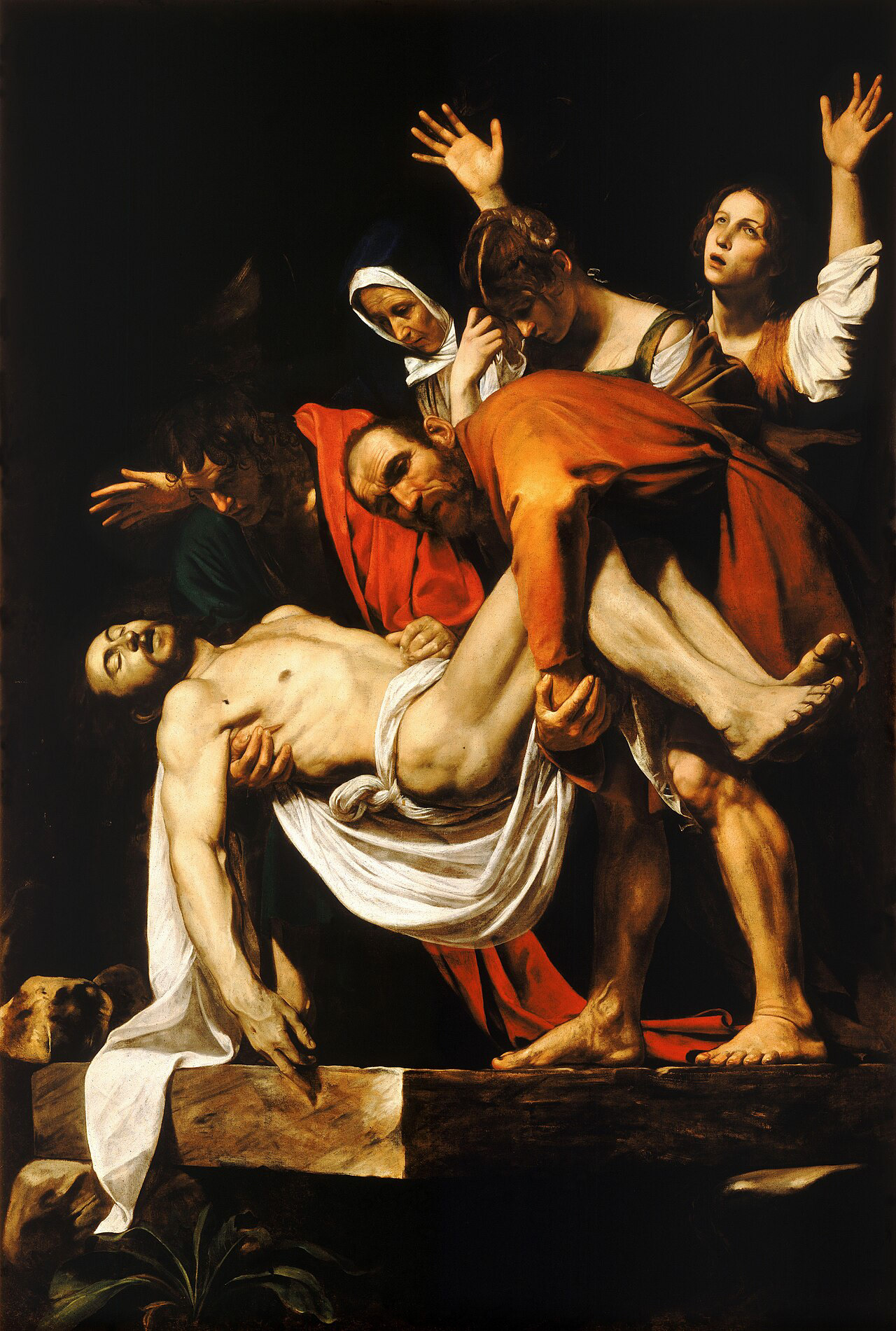
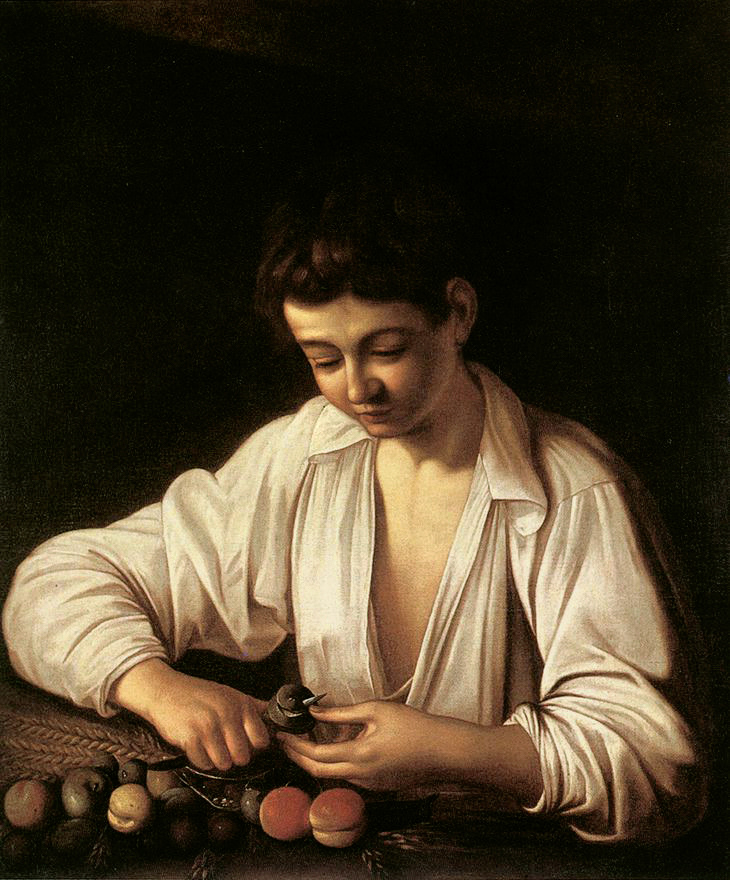
Caravaggio + Tenebrism Research
Look development